The distinctive clink-clank of a rattling adjustable dumbbell can be more than just an annoying distraction during your workout; it often signals an underlying issue that could compromise both your equipment’s longevity and your safety. Adjustable dumbbells are an incredibly valuable asset for any home gym, offering versatility and space-saving convenience. However, like any sophisticated piece of equipment, they require proper care and attention. Understanding why your adjustable dumbbell might be rattling is the first step toward addressing the problem effectively. This guide will walk you through the common causes, provide quick fixes, outline essential preventive maintenance, and help you determine when it’s time to consider professional repair or replacement.
Common Causes of Adjustable Dumbbell Rattling
A rattling noise from your adjustable dumbbell usually indicates that internal components, particularly the weight plates, are not as securely fixed as they should be. This can stem from several factors, each with its own remedy. Identifying the root cause is crucial for a lasting solution.
Loose Locking Mechanisms
|
Our Picks for the Best Dumbbell Set in 2026
As an Amazon Associate I earn from qualifying purchases.
|
||
| Num | Product | Action |
|---|---|---|
| 1 | Adjustable Dumbbell Set, 20/33/45/70/90lbs Free Weight Set with Connector, 4 in1 Dumbbells Set Used as Barbell, Kettlebells, Push up Stand, Weight Set for Home Gym Suitable Men/Women |

|
| 2 | Amazon Basics Neoprene Dumbbell Hand Weights for Exercise and Muscle Toning |
|
| 3 | CAP Barbell 150 LB Coated Hex Dumbbell Weight Set with Vertical Rack | Multiple Options |
|
| 4 | Adjustable dumbbell set,20/35/45/55/70/90lbs Free Weights set with upgraded nut, 5 in 1 Weight Set Used as Kettlebells, Barbell, Push up Stand, Fitness Exercise for Home Gym Suitable Men/Women |
|
| 5 | Adjustable Dumbbells Set of 2,Free Weights Dumbbells Set,Adjustable Dumbbell Set,52.5 lbs pair 105 lbs,15 in 1,for Men/Women Gym Equipment for Home Strength Training Equipment |
|
| 6 | Amazon Basics Neoprene Dumbbell Hand Weights for Exercise and Muscle Toning |
|
| 7 | Amazon Basics Neoprene Dumbbell Hand Weights for Exercise and Muscle Toning |
|
| 8 | Fitvids Set of 6 Neoprene Dumbbell Hand Weights, Set with Rack: 2/3/5 Pairs |
|
| 9 | Adjustable Dumbbells, 20/30/45/70/90lbs Free Weight Set with Connector,5 in1 Dumbbells Set Used as Barbell,Kettlebells,Push up Stand,Fitness Exercises for Home Gym Suitable Men/Women |
|
| 10 | PowerBlock Elite EXP Adjustable Dumbbells, Sold in Pairs, Stage 1, 5-50 lb. Dumbbells, Durable Steel Build, Innovative Workout Equipment, All-in-One Dumbbells, Expandable with Expansion Kits |
|
The most frequent culprit behind a rattling adjustable dumbbell is a locking mechanism that isn’t fully engaged or has become loose over time. For spin-lock dumbbells, the collars can gradually loosen during repetitive motions or intense workouts, allowing the weight plates to shift back and forth. In the case of selectorized dumbbells (dial or pin-based systems), the internal mechanism might not have properly seated all the selected plates, or debris could be preventing a complete lock. Even a slight gap can lead to noticeable movement and noise.
Worn Components
With consistent use, certain parts of your adjustable dumbbell are subject to wear and tear. The locking grooves on the weight plates, the internal pins, or even the rubber inserts designed to provide a snug fit can degrade over time. When these components become worn, they lose their ability to hold the plates tightly, creating small clearances that result in rattling. This wear might not always be immediately visible but can significantly impact the dumbbell’s stability.
Misalignment of Plates or Adjustment System
Sometimes, the rattling isn’t due to loose parts but rather a misalignment within the dumbbell’s structure. Weight plates can shift slightly out of alignment, or the intricate adjustment mechanism itself might not be perfectly straight. This often occurs if the dumbbell has been dropped or handled roughly, forcing components out of their intended positions. An unbalanced or misaligned plate distribution can cause instability and a noticeable rattle during exercises.
Debris or Grime in the Mechanism
Dust, sweat, chalk, and other environmental debris can accumulate within the intricate moving parts of your adjustable dumbbell. This buildup can interfere with the smooth operation of the locking mechanism, preventing it from fully engaging or seating the plates securely. Even a small particle can create an unwanted gap, leading to noise and potential instability. Regular cleaning is essential to prevent this issue.
Loose Bolts or Screws
While less common in some designs, many adjustable dumbbells incorporate screws or bolts to secure the handle, frame, or certain weight plates. Over time, these fasteners can gradually loosen due to vibrations and regular use. If a critical bolt or screw holding parts of the dumbbell together becomes loose, it can introduce play and cause a rattling sound. Identifying and tightening these specific fasteners, often concealed, requires consulting your manufacturer’s manual.
Quick Fixes for a Rattling Adjustable Dumbbell
When your adjustable dumbbell starts to rattle, a few simple troubleshooting steps can often resolve the issue quickly, restoring peace to your workout and security to your lift. These immediate fixes focus on re-securing components and ensuring proper functionality.
Re-seating and Re-engaging the Mechanism
One of the first and easiest steps is to simply re-seat the dumbbell. Place the adjustable dumbbell back into its cradle or tray and carefully re-select the desired weight. For dial or pin-based systems, ensure the mechanism clicks firmly into place and visually confirm that the selected weight matches on both sides of the handle. For spin-lock models, fully loosen the collars, ensure plates are flush, and then re-tighten the collars as securely as possible. This ensures all plates are properly aligned and locked.
Cleaning Contact Points and Mechanisms
Accumulated dust, sweat, or chalk can interfere with the tight fit of plates and the smooth operation of locking mechanisms. Use a dry cloth to thoroughly wipe down all surfaces of the weight plates, especially where they connect or interlock. Pay close attention to the handle, locking grooves, and any visible parts of the adjustment mechanism. A soft brush can help remove stubborn debris from crevices. Ensure all contact points are clean and free of obstructions that might prevent a snug fit.
Tightening Loose Bolts and Screws
Some adjustable dumbbells have exposed or concealed bolts and screws that secure various components. Carefully inspect your dumbbell for any loose fasteners. For dial-type dumbbells, these might be hidden on either end of the handle. Using the appropriate screwdriver or wrench, gently tighten any loose bolts or screws you find. Always refer to your manufacturer’s manual to locate these fasteners and understand the correct tightening procedure to avoid over-tightening or damaging the mechanism.
Applying Light Lubrication (If Permitted)
If your adjustment mechanism feels sticky or jammed, a lack of lubrication might be the cause. A small amount of light machine oil can often improve the smooth operation of moving parts. However, it is crucial to consult your manufacturer’s manual before applying any lubricant. Some models may not require or recommend lubrication, or specific types of lubricants might be necessary. Avoid over-oiling, as excess lubricant can attract dirt and grime, potentially worsening the problem.
Temporary Solutions for Minor Wobble
For minor plate wobble or loose grips that aren’t critical safety issues, temporary solutions can provide a quick fix. Some users have found success by wrapping a layer of electrical tape or fabric tape around the core bar or the handle where the plates sit. This adds a small amount of thickness, creating a tighter fit and reducing rattling. Similarly, if the handle grips themselves are loose and causing a clicking noise, tape can be applied underneath the grip to snug it up. While these are temporary, they can offer immediate relief until a more permanent solution is found.
Preventive Maintenance to Avoid Rattling
Proactive care is the best way to keep your adjustable dumbbells in optimal condition, minimize rattling, and ensure their longevity. By incorporating a few simple habits into your routine, you can prevent many common issues before they even start.
Regular Inspections
Make it a habit to perform a quick visual inspection of your adjustable dumbbells before and after each workout. Look for any signs of wear and tear, such as chipped plates, cracks in plastic components, or visible looseness in the handle or locking mechanism [cite: 2, 1, maintenance]. Pay particular attention to the areas where weight plates connect and lock. Early detection of potential problems allows you to address them before they escalate into significant issues or safety hazards.
Proper Usage and Handling
Adjustable dumbbells, especially selectorized models with intricate mechanisms, are often more sensitive to impact than fixed dumbbells. Avoid dropping your dumbbells, banging them together, or throwing them onto the floor. Rough handling can easily misalign internal components, damage the locking system, or crack plastic parts, leading to rattling and potential failure. Always place them down gently and respect the manufacturer’s recommended weight limits.
Consistent Cleaning Routine
Sweat, dirt, and dust are enemies of fitness equipment. After every use, wipe down your adjustable dumbbells with a slightly damp cloth to remove sweat and any accumulated grime [cite: 2, 1, maintenance]. Follow up by thoroughly drying them with a clean towel to prevent rust and corrosion, especially on metal components [cite: 1, maintenance]. This simple cleaning routine not only keeps your dumbbells looking good but also prevents debris from interfering with the precise operation of the adjustment mechanisms.
Correct Storage
Where and how you store your adjustable dumbbells significantly impacts their condition. Always store them in a dry, cool environment, away from direct sunlight and extreme temperatures, which can degrade materials over time [cite: 2, 1, maintenance]. Using a dedicated dumbbell rack or stand is highly recommended. This keeps them organized, off the floor, and protects them from accidental damage, ensuring the delicate mechanisms are not compromised [cite: 1, maintenance]. Avoid storing them in damp areas like unfinished basements, which can accelerate rust.
Referencing the Manufacturer’s Manual
Each model of adjustable dumbbell has a unique design and specific maintenance requirements. The most comprehensive guide for caring for your particular set is always the manufacturer’s manual [cite: 2, 3, maintenance]. It contains crucial information on correct assembly, troubleshooting common issues, recommended cleaning agents, lubrication guidelines (if any), and details about warranty and replacement parts. Keeping this manual handy can save you time and prevent costly mistakes.
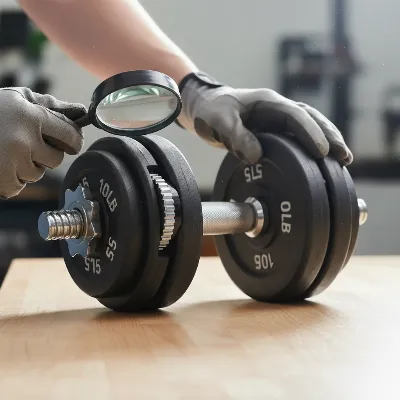 A person inspecting an adjustable dumbbell for rattling, checking the locking mechanism and plate alignment.
When to Seek Professional Repair or Replacement
While many rattling issues can be resolved with simple fixes, there are instances when the problem is more serious, warranting professional attention or even a complete replacement of your adjustable dumbbell set. Recognizing these red flags is crucial for your safety.
You should immediately stop using your adjustable dumbbell if you experience significant plate movement, hear a new grinding noise, or if the handle suddenly feels uneven during use. These are strong indicators of a compromised locking mechanism or structural damage that could lead to a plate drop and serious injury. Continuing to “push through” such symptoms is extremely dangerous and should be avoided at all costs.
If you have tried all the quick fixes and preventive measures, but the rattling persists or worsens, it’s time to consider professional repair. Some manufacturers offer replacement parts for worn-out components like locking pins, rubber inserts, or even entire plate assemblies. Contacting the manufacturer directly is often the best course of action to inquire about repair options or authorized service centers.
Ultimately, if the dumbbell shows visible damage such as deep cracks in critical components, bent rails, or if the locking mechanism is severely worn and no longer reliably secures the weights, replacement might be the safest and most practical option. Investing in a new, reliable set is a small price to pay for your safety and peace of mind during workouts. For used adjustable dumbbells, always perform a thorough inspection and a recall check, as past damage or faulty designs can be an invisible hazard.
Conclusion
A rattling adjustable dumbbell, while frustrating, is often a fixable issue that shouldn’t derail your fitness goals. Most often, the culprit lies with a loose locking mechanism, accumulated grime, or slightly misaligned plates, all of which can be addressed with straightforward troubleshooting and consistent care. Remember, performing a quick safety check before each workout, keeping your dumbbells clean, and handling them with care are fundamental practices that will significantly extend their lifespan and ensure your lifting sessions remain safe and effective. Don’t let a minor rattle turn into a major problem; address it promptly and confidently. By applying these quick fixes and committing to a routine of preventive maintenance, you can ensure your adjustable dumbbells continue to serve as a reliable and silent partner in your fitness journey.
What specific model of adjustable dumbbell do you use, and have you experienced rattling with it?
Câu Hỏi Thường Gặp
Are all adjustable dumbbells prone to rattling?
No, not all adjustable dumbbells are inherently prone to rattling, but it can be a common issue across various designs. Spin-lock dumbbells might rattle if collars loosen, while selectorized models can rattle due to loose plates or debris affecting the locking mechanism. Proper maintenance and usage significantly reduce the likelihood of rattling.
Can a rattling adjustable dumbbell be dangerous?
Yes, a rattling adjustable dumbbell can be dangerous. It often indicates that the weight plates are not securely locked, posing a risk of plates falling off during exercise. If you notice significant rattling or plate movement, stop using the dumbbell immediately and diagnose the problem to prevent potential injury.
How often should I clean my adjustable dumbbells?
It’s recommended to wipe down your adjustable dumbbells with a damp cloth after every use to remove sweat and dirt. For a deeper clean, especially around the locking mechanisms, a more thorough cleaning can be done bi-weekly or monthly, depending on how frequently you use them.
What tools do I need to fix a rattling dumbbell?
Typically, you might need basic tools like a screwdriver set (Philips and flathead) or a small wrench set to tighten any loose bolts or screws. A soft cloth and a brush are useful for cleaning. Always consult your dumbbell’s manual for specific tools required for your model.
Should I lubricate my adjustable dumbbell?
Only lubricate your adjustable dumbbell if the manufacturer’s manual specifically recommends it and provides instructions on how to do so. Applying the wrong type or amount of lubricant can attract dust and grime, potentially harming the mechanism and worsening the issue rather than fixing it.
