Maintaining a new dumbbell set ensures its longevity, performance, and safety. Consistent care, including post-workout cleaning, proper storage, and regular inspection, prevents common issues like rust, damaged coatings, and sticky mechanisms. Different dumbbell materials, such as cast iron, rubber-coated, and adjustable types, require specific maintenance routines to keep them in pristine condition for years of effective strength training.
Maximizing Your Dumbbell Set’s Lifespan: A Comprehensive Guide
Ensuring the longevity of your dumbbell set starts with understanding the specific care requirements based on their material and design. Different types of dumbbells demand distinct maintenance approaches to prevent wear and tear.
Understanding Different Dumbbell Materials and Their Maintenance Needs
The material composition of your dumbbells dictates the best cleaning and protection strategies. Recognizing these differences is the first step towards effective maintenance.
Cast Iron and Steel Dumbbells
These classic dumbbells are renowned for their durability but are particularly susceptible to rust if not properly cared for. Rust formation is a common issue, especially in humid environments, which can compromise both the aesthetics and the integrity of the weights.
To prevent rust, it is crucial to wipe down cast iron and steel dumbbells thoroughly with a clean, dry cloth after every use to remove sweat and moisture. Applying a light coating of oil or a suitable anti-rust spray every few months can create a protective barrier against corrosion. Storing them in a dry, well-ventilated area, possibly with a dehumidifier in humid climates, further minimizes moisture exposure. For routine cleaning, a damp cloth with mild soap is effective. For more stubborn grime, a solution of baking soda and water applied with a stiff brush, followed by thorough rinsing and drying, can work wonders.
In cases where rust has already developed, rust removal is necessary. Minor spots can often be tackled with a wire brush and a product like WD-40. For more severe rust, soaking the dumbbells in a 50/50 vinegar and water solution for 24-72 hours can help break down oxidation. Following this with abrasive tools like a wire brush or medium-fine-grained sandpaper can remove the remaining rust. After thorough cleaning, applying a rust-prevention coating or even repainting them with a suitable metal paint can restore their appearance and protection.
Rubber and Urethane Coated Dumbbells
Rubber and urethane coatings provide a protective layer, reduce noise, and offer floor protection. However, these coatings also require specific care to prevent deterioration.
For cleaning, a damp cloth with mild soap or disinfectant wipes are ideal. Harsh chemicals, abrasive cleaners, or solvents should be avoided as they can degrade or damage the rubber and urethane surfaces. It’s essential to protect the coating from physical damage by avoiding sharp objects and refraining from dropping the dumbbells, as this can cause cracks or peeling. If your rubber dumbbells develop an odor, ensuring good ventilation in your storage area and regular cleaning can help manage it.
Adjustable Dumbbells
Adjustable dumbbells offer incredible versatility and space-saving benefits but feature more intricate mechanisms that demand careful attention. Their moving parts and locking systems are critical to their functionality.
Always refer to the manufacturer’s manual for specific care instructions, as adjustable dumbbell designs and mechanisms vary significantly. Regular inspection and tightening of hardware, such as screws and bolts, is vital to ensure stability and smooth operation, as these can loosen over time with use. If your adjustable set has moving parts or a dial/pin system, periodic lubrication with a silicone-based lubricant can ensure smooth adjustments and prevent sticking. Thoroughly cleaning the locking system with a soft brush and mild soap helps prevent dirt and grime buildup from interfering with its operation. When handling, avoid dropping or banging adjustable dumbbells, as this can damage the internal mechanisms and potentially void warranties. It’s also important to respect the weight limits specified by the manufacturer to prevent undue stress on the components.
Essential Daily and Weekly Maintenance Routines
|
Our Picks for the Best Dumbbell Set in 2026
As an Amazon Associate I earn from qualifying purchases.
|
||
| Num | Product | Action |
|---|---|---|
| 1 | Amazon Basics Neoprene Dumbbell Hand Weights for Exercise and Muscle Toning |

|
| 2 | Adjustable dumbbell set,20/35/45/55/70/90lbs Free Weights set with upgraded nut, 5 in 1 Weight Set Used as Kettlebells, Barbell, Push up Stand, Fitness Exercise for Home Gym Suitable Men/Women |
|
| 3 | Adjustable Dumbbells, 20/30/45/70/90lbs Free Weight Set with Connector,5 in1 Dumbbells Set Used as Barbell,Kettlebells,Push up Stand,Fitness Exercises for Home Gym Suitable Men/Women |
|
| 4 | Amazon Basics Neoprene Dumbbell Hand Weights for Exercise and Muscle Toning |
|
| 5 | PowerBlock Elite EXP Adjustable Dumbbells, Sold in Pairs, Stage 1, 5-50 lb. Dumbbells, Durable Steel Build, Innovative Workout Equipment, All-in-One Dumbbells, Expandable with Expansion Kits |
|
| 6 | Adjustable Dumbbells Set of 2,Free Weights Dumbbells Set,Adjustable Dumbbell Set,52.5 lbs pair 105 lbs,15 in 1,for Men/Women Gym Equipment for Home Strength Training Equipment |
|
| 7 | CAP Barbell 150 LB Coated Hex Dumbbell Weight Set with Vertical Rack | Multiple Options |
|
| 8 | Fitvids Set of 6 Neoprene Dumbbell Hand Weights, Set with Rack: 2/3/5 Pairs |
|
| 9 | Adjustable Dumbbell Set, 20/33/45/70/90lbs Free Weight Set with Connector, 4 in1 Dumbbells Set Used as Barbell, Kettlebells, Push up Stand, Weight Set for Home Gym Suitable Men/Women |
|
| 10 | Amazon Basics Neoprene Dumbbell Hand Weights for Exercise and Muscle Toning |
|
Consistent, routine maintenance is your best defense against wear and tear, ensuring your dumbbells remain in peak condition. Implementing a few simple habits can significantly extend their life.
After every workout, make post-workout cleaning a non-negotiable step. Wipe down your dumbbells with a clean, damp cloth to remove sweat, dust, and any other residues. This immediate action prevents moisture from sitting on metal surfaces, which is a primary cause of rust, and stops grime from building up on coated surfaces. For an added layer of hygiene, especially in home gyms shared by multiple users, follow up with a mild soap solution or a disinfectant spray specifically designed for fitness equipment, then dry thoroughly.
Proper storage is equally critical. Always store your dumbbells on a dedicated rack or stand. This not only keeps your workout space organized and safe by preventing clutter but also protects the dumbbells from scratches, dents, and direct contact with potentially damaging floor surfaces. Choose a storage location that is dry, well-ventilated, and away from direct sunlight, extreme temperatures, or high humidity. Areas like damp basements or garages without climate control can accelerate rust and coating degradation.
Perform a regular inspection of your dumbbell set, ideally once a week. Visually check for any signs of wear and tear, such as loose components (especially on adjustable sets), cracks or peeling on rubber coatings, or early signs of rust on metal parts. Pay close attention to the grips, as these areas experience the most direct contact and stress. Addressing minor issues promptly can prevent them from escalating into more significant, costly problems.
Deep Cleaning and Long-Term Care Strategies
Beyond routine cleaning, occasional deep cleaning and strategic long-term care are necessary to address persistent issues and proactively safeguard your dumbbell set.
If rust begins to develop on your metal dumbbells, acting quickly is key. For minor rust spots, a brass brush or steel wool with a rust-penetrating lubricant like WD-40 can often suffice. For more severe corrosion, a thorough process involving a vinegar soak (using a 50% vinegar, 50% water solution for 24-72 hours), followed by mechanical removal using wire brush wheels on a drill or coarse sandpaper, may be required. After removing the rust, it’s advisable to apply a rust-inhibiting primer and paint to protect the bare metal.
For adjustable dumbbells with moving parts, periodic lubrication is crucial. Apply a small amount of silicone-based lubricant to dials, pins, and other adjusting mechanisms to ensure smooth operation and prevent sticking or grinding. Always check your manufacturer’s manual for recommended lubricants and application frequency.
Preventing damage through careful use extends beyond just cleaning. Investing in high-quality gym mats or rubber flooring for your workout area can significantly protect both your dumbbells and your floors from impact damage, especially if you handle heavier weights. Always practice proper lifting and setting down techniques to avoid accidental drops or banging the dumbbells together.
What to Avoid: Common Mistakes in Dumbbell Care
Knowing what not to do is as important as knowing what to do when it comes to maintaining your dumbbell set. Avoiding these common pitfalls can prevent irreversible damage.
- Harsh Chemicals and Abrasive Tools: Steer clear of household cleaners containing bleach, strong acids, or alkaline solutions. These can corrode metal, degrade rubber and urethane coatings, and strip protective finishes. Similarly, avoid abrasive tools like rough scrub pads or steel wool (unless for specific rust removal on cast iron), as they can scratch and damage surfaces.
- Leaving Dumbbells Wet: Never leave your dumbbells wet after cleaning or a sweaty workout. Moisture is the archenemy of metal, promoting rust, and can also lead to the deterioration of rubber coatings. Always dry them thoroughly.
- Dropping or Banging Adjustable Dumbbells: Adjustable dumbbells are generally more delicate than fixed ones due to their internal mechanisms. Repeatedly dropping them, especially from a significant height, or banging them together can cause internal components to break, affecting their functionality and potentially voiding your warranty.
- Ignoring Manufacturer’s Guidelines: Your dumbbell set likely came with a user manual. This document contains crucial, material-specific care instructions and warnings. Disregarding these guidelines can lead to improper maintenance and potential damage that may not be covered by warranty.
The Undeniable Value of Proper Dumbbell Care
Investing a small amount of time and effort into maintaining your dumbbell set yields significant returns, safeguarding your health, finances, and fitness goals.
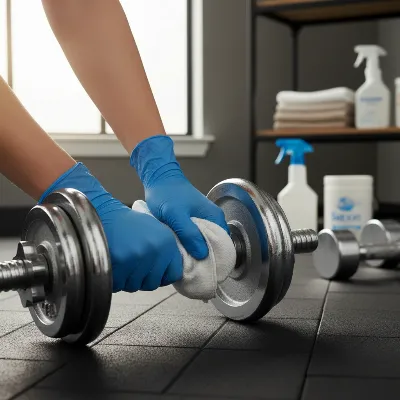 Person cleaning dumbbells in a home gym, emphasizing safety and equipment longevity
The most critical benefit of consistent maintenance is safety. Damaged or poorly maintained dumbbells—with loose plates, corroded handles, or faulty adjustable mechanisms—can pose a serious risk of injury during workouts. Ensuring your equipment is in top condition minimizes these hazards, allowing you to train with confidence and focus. Beyond safety, proper care represents robust investment protection. A high-quality dumbbell set is an investment in your health, and treating it well ensures it will last for many years, avoiding the unnecessary expense of premature replacements.
Maintaining your dumbbells contributes to maintaining hygiene in your workout space. Regular cleaning eliminates sweat, dirt, bacteria, and potential odors, creating a more pleasant and motivating environment for your training sessions. A well-cared-for gym is a shows your commitment to fitness.
“Many people overlook dumbbell maintenance, but it’s as vital as proper form. A clean, well-maintained set is a safe, effective set, and a true extension of your fitness commitment.” – Alex Stone, Certified Strength & Conditioning Specialist
Conclusion
Your new dumbbell set is a powerful tool for achieving your fitness aspirations, but its potential is fully realized only through diligent care and maintenance. By understanding the unique needs of different materials, establishing consistent cleaning routines, proactively addressing issues like rust, and avoiding common maintenance mistakes, you can significantly extend the life, safety, and performance of your equipment. Treat your dumbbells not just as weights, but as an essential, long-term investment in your health. Embrace these essential maintenance tips, and your dumbbell set will remain a reliable, hygienic, and aesthetically pleasing partner in your fitness journey for years to come. What step will you take today to ensure your dumbbell set is perfectly maintained?
Frequently Asked Questions
How often should I clean my dumbbells?
For regular home use, a quick wipe-down with a damp cloth after each session is recommended to remove sweat and moisture. A more thorough cleaning with mild soap or disinfectant should be done weekly or monthly, depending on usage frequency.
Can I use household cleaners on my dumbbells?
It is generally advised to avoid harsh household cleaners containing bleach, strong acids, or abrasive chemicals. These can corrode metal or degrade rubber and urethane coatings. Mild soap and water or specialized fitness equipment cleaners are usually the safest options.
How do I prevent rust on my cast iron dumbbells?
To prevent rust on cast iron dumbbells, always wipe them thoroughly dry after each use. Store them in a dry, well-ventilated area, and consider applying a thin layer of anti-rust oil or spray every few months. A dehumidifier can be beneficial in humid environments.
What should I do if my adjustable dumbbell mechanism gets stuck?
If an adjustable dumbbell mechanism gets stuck, first consult the manufacturer’s manual. Try cleaning the locking system thoroughly to remove any grime. If applicable, apply a silicone-based lubricant sparingly to moving parts. Avoid forcing the mechanism, as this could cause further damage.
Is it okay to drop dumbbells?
It is generally not advisable to drop dumbbells, especially adjustable sets, as this can damage internal mechanisms, cause plates to loosen, or chip coatings. Even fixed dumbbells can be damaged or damage flooring if dropped repeatedly from significant heights.
Frequently Asked Questions
How often should I clean my dumbbells?
For regular home use, wipe down dumbbells with a damp cloth after each session to remove sweat and moisture. A more thorough cleaning with mild soap or disinfectant should be performed weekly or monthly, depending on how frequently the dumbbells are used.
Can I use household cleaners on my dumbbells?
It is generally advised to avoid harsh household cleaners containing bleach, strong acids, or abrasive chemicals. These can corrode metal or degrade rubber and urethane coatings. Mild soap and water or specialized fitness equipment cleaners are usually the safest options for cleaning dumbbells.
How do I prevent rust on my cast iron dumbbells?
To prevent rust on cast iron dumbbells, always wipe them thoroughly dry after each use. Store them in a dry, well-ventilated area, and consider applying a thin layer of anti-rust oil or spray every few months. A dehumidifier can also be beneficial in humid environments to reduce moisture.
What should I do if my adjustable dumbbell mechanism gets stuck?
If an adjustable dumbbell mechanism gets stuck, first consult the manufacturer's manual for specific troubleshooting. Try cleaning the locking system thoroughly to remove any grime or debris. If applicable, apply a silicone-based lubricant sparingly to moving parts, but avoid forcing the mechanism, as this could cause further damage.
Is it okay to drop dumbbells during a workout?
It is generally not advisable to drop dumbbells, especially adjustable sets, as this can damage internal mechanisms, cause plates to loosen, or chip coatings. Even fixed dumbbells can be damaged or cause damage to flooring if dropped repeatedly from significant heights, posing a safety risk.
Maintain Your Dumbbell Set for Longevity
Follow these steps to properly maintain your dumbbell set, preventing rust, damage, and ensuring safe, long-lasting use.
Wipe down your dumbbells with a clean, damp cloth immediately after each use to remove sweat and moisture. This prevents rust on metal surfaces and grime buildup on coated dumbbells. For added hygiene, use a mild soap solution or disinfectant spray, then dry thoroughly.
Always store your dumbbells on a dedicated rack or stand in a dry, well-ventilated area away from direct sunlight or extreme temperatures. Proper storage prevents scratches, dents, and contact with damaging floor surfaces, extending their lifespan and keeping your workout space organized.
Conduct a visual inspection of your dumbbell set at least once a week. Check for loose components, cracks or peeling on coatings, or early signs of rust. Promptly addressing minor issues, especially on adjustable sets, can prevent them from escalating into more significant problems.
For minor rust spots on metal dumbbells, use a brass brush and rust-penetrating lubricant. For adjustable dumbbells, apply a silicone-based lubricant periodically to dials and pins to ensure smooth operation. Always consult your manufacturer's manual for specific recommendations.
Never use harsh household cleaners containing bleach or strong acids, as these can damage coatings and corrode metal. Avoid dropping or banging dumbbells, especially adjustable ones, as this can damage internal mechanisms and void warranties. Use gym mats to protect both equipment and flooring.
Equipment that holds up past 60 sessions
Practical specs, not advice. Unsubscribe anytime.

I just got a new set of dumbbells and wanted to make sure I took care of them properly. The advice on regular inspection for loose parts or wear and tear is something I hadn’t really thought about. It’s a simple step that could prevent bigger problems down the line. Thanks for the great tips!
Good advice overall, especially on preventing rust for cast iron dumbbells. I wish there was a bit more detail on what specific products are best for protecting the finish after cleaning. My set still gets a little sticky sometimes even after wiping them down.
I’ve had my rubber-coated dumbbells for years, and they were starting to look a bit dull. The tip about using a mild soap and water solution for cleaning them really made a difference. They look almost new again! It’s great to know I can extend their life even further with these simple steps.
The section on proper storage was super helpful. I used to just leave my adjustable dumbbells on the floor, but now I’m making sure they’re on a rack to prevent damage. It’s a small change but makes a big difference in keeping them in good shape and preventing potential issues.