There’s nothing more frustrating than having your workout interrupted by a wobbly dumbbell. Loose weight plates on a spinlock dumbbell set aren’t just annoying; they pose a significant safety risk, potentially affecting your form and leading to injury. If you’ve experienced plates rattling or collars unscrewing mid-set, you know how crucial it is to maintain a secure setup. This comprehensive guide will walk you through understanding why your plates become loose, how to fix them effectively, and essential maintenance tips to keep your spinlock dumbbell set in optimal condition for safe and efficient training.
Understanding Spinlock Dumbbells
Spinlock dumbbells are a popular choice for home gyms due to their affordability and versatility. They consist of a threaded bar, weight plates with central holes, and threaded collars (often called spinlock collars or nuts) that screw onto the bar to secure the plates. The simplicity of their design allows for quick weight changes, making them ideal for progressive overload or circuit training. However, this threaded mechanism is also where most issues with loose plates originate.
Common Causes of Loose Dumbbell Plates
Over time, several factors can contribute to your spinlock dumbbell plates becoming loose:
- Improper Tightening: The most frequent culprit is simply not tightening the collars enough. Many users only finger-tighten, which isn’t sufficient to counteract the forces exerted during exercise.
- Rotational Movement During Lifts: Dynamic exercises like curls or rows create rotational forces that can gradually unscrew the collars, even if initially tightened properly. The plates themselves can also contribute to this movement against the collars.
- Wear and Tear: The threads on the bar or the inside of the collars can wear down over prolonged use, reducing their ability to grip securely. The rubber rings or washers often found inside spinlock collars, designed to provide extra grip and friction, can also degrade or get lost, diminishing their effectiveness.
- Material Fatigue: Repeated impact, such as dropping dumbbells (which should always be avoided), can cause slight deformation in the bar or collars, compromising the snug fit.
Tools and Materials You’ll Need
Most fixes for loose spinlock dumbbell plates require minimal tools, many of which you likely already have around the house:
- Clean Cloth: For wiping down surfaces and removing grime.
- Screwdriver or Wrench (Optional): Some adjustable dumbbell designs might have additional screws or bolts to secure components, though spinlocks primarily rely on collars. A spanner or wrench can be used for a gentle final turn on collars, but be cautious of overtightening.
- Lubricant (Optional): A small amount of lubricant like WD-40 can help with stuck threads, but ensure it’s wiped off thoroughly to prevent slippage.
- Replacement Rubber Washers/Rings (If applicable): If the internal rubber components are worn, new ones can significantly improve grip.
Step-by-Step Guide to Fixing a Loose Spinlock Dumbbell Plate
|
Our Picks for the Best Dumbbell Set in 2026
As an Amazon Associate I earn from qualifying purchases.
|
||
| Num | Product | Action |
|---|---|---|
| 1 | Adjustable dumbbell set,20/35/45/55/70/90lbs Free Weights set with upgraded nut, 5 in 1 Weight Set Used as Kettlebells, Barbell, Push up Stand, Fitness Exercise for Home Gym Suitable Men/Women |

|
| 2 | Adjustable Dumbbells Set of 2,Free Weights Dumbbells Set,Adjustable Dumbbell Set,52.5 lbs pair 105 lbs,15 in 1,for Men/Women Gym Equipment for Home Strength Training Equipment |
|
| 3 | Amazon Basics Neoprene Dumbbell Hand Weights for Exercise and Muscle Toning |
|
| 4 | CAP Barbell 150 LB Coated Hex Dumbbell Weight Set with Vertical Rack | Multiple Options |
|
| 5 | PowerBlock Elite EXP Adjustable Dumbbells, Sold in Pairs, Stage 1, 5-50 lb. Dumbbells, Durable Steel Build, Innovative Workout Equipment, All-in-One Dumbbells, Expandable with Expansion Kits |
|
| 6 | Amazon Basics Neoprene Dumbbell Hand Weights for Exercise and Muscle Toning |
|
| 7 | Adjustable Dumbbells, 20/30/45/70/90lbs Free Weight Set with Connector,5 in1 Dumbbells Set Used as Barbell,Kettlebells,Push up Stand,Fitness Exercises for Home Gym Suitable Men/Women |
|
| 8 | Fitvids Set of 6 Neoprene Dumbbell Hand Weights, Set with Rack: 2/3/5 Pairs |
|
| 9 | Adjustable Dumbbell Set, 20/33/45/70/90lbs Free Weight Set with Connector, 4 in1 Dumbbells Set Used as Barbell, Kettlebells, Push up Stand, Weight Set for Home Gym Suitable Men/Women |
|
| 10 | Amazon Basics Neoprene Dumbbell Hand Weights for Exercise and Muscle Toning |
|
Addressing loose plates is straightforward with the right technique. Always prioritize safety before beginning any maintenance.
1. Safety First
Before attempting any fix, always unload your dumbbell and place it on a stable, flat surface. Never work on a loaded or unstable dumbbell. Ensure your workspace is clear of obstructions to prevent accidents.
2. Inspect the Dumbbell
Visually examine the entire dumbbell. Check the threads on both the bar and the inside of the spinlock collars for any signs of stripping, rust, or excessive wear. Look inside the collars for the rubber rings or washers, noting if they are present, intact, or compressed. Loose rubber can reduce friction and cause collars to unscrew more easily.
3. The “Plate Twist” Tightening Method
This is the most effective and commonly recommended method for securing spinlock collars:
- Load Plates: Slide your desired weight plates onto the dumbbell bar.
- Finger Tighten Collars: Screw on the spinlock collar until it is as tight as you can get it with your fingers. This ensures the internal rubber ring (if present) makes firm contact with the outermost plate.
- Twist the Plate: Place the dumbbell on the floor or grip the bar securely (you can stand on it or hold it between your legs to prevent it from rotating). Now, grab the outermost weight plate firmly and twist it clockwise. Since the collar is already tight against the plate, the plate’s larger diameter provides extra leverage, forcing the collar to tighten further onto the bar.
- Repeat on Other Side: Flip the dumbbell and repeat the process for the collar on the other side. You’ll often find this technique provides a much more secure lock than simply twisting the collar by hand.
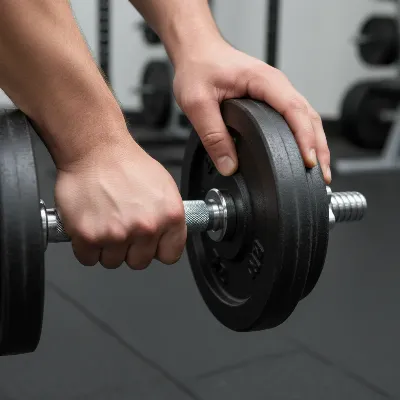 A person using the plate twist method to tighten a spinlock dumbbell collar securely, showing the hand gripping the weight plate and twisting it clockwise.
4. Checking for Stripped Threads or Worn Rubber
If the “plate twist” method doesn’t result in a firm lock, or if collars continue to loosen rapidly, you might have worn components:
- Stripped Threads: If the threads on the bar or inside the collar appear damaged or stripped, the connection will never be secure. In this case, the damaged component (bar or collar) will need to be replaced.
- Worn Rubber Rings: If the rubber rings inside the collars are flattened, cracked, or missing, they won’t provide adequate friction. Replacing these small rubber washers can significantly improve the collar’s grip.
5. Additional Security Measures
While the plate twist method is often sufficient, some lifters employ extra steps:
- Double Collars: Using a second set of spinlock collars on each end can add an extra layer of security, effectively creating a “nut and locknut” system.
- Spring Clips (with caution): While primarily designed for smooth barbells, some users attempt to use spring clips outside spinlock collars for added retention. Be aware that these may not fit perfectly on threaded bars and their effectiveness can vary.
“A common misconception is that more force directly on the collar is always better. In reality, leveraging the larger diameter of the weight plate provides superior torque for a truly secure spinlock.” – Alex “The Lifter” Stone, Home Gym Equipment Specialist
Preventative Maintenance for Your Spinlock Dumbbells
Regular care extends the life of your equipment and enhances safety:
- Routine Cleaning: Wipe down your dumbbells after each use with a dry cloth to remove sweat and dust. Monthly, give them a deeper clean with warm water and mild soap, scrubbing metal parts with a stiff brush. Ensure they are thoroughly dried afterward to prevent rust.
- Lubrication: Occasionally, apply a small amount of light oil (like 3-in-1 oil or machine oil) to the threaded sections of the bar. This helps prevent rust and ensures the collars screw on smoothly. Wipe off any excess to avoid a slippery grip.
- Proper Storage: Store your dumbbells on a dedicated rack or stand. Avoid leaving them on the floor where they can be tripped over or accumulate moisture.
- Avoid Dropping: Dropping dumbbells, especially heavy ones, can damage the threads, bend the bar, or crack the plates. Always lower them carefully.
- Regular Inspection: Periodically inspect your dumbbells for any signs of wear and tear, rust, or damage to the collars or plates. Addressing small issues early can prevent larger problems.
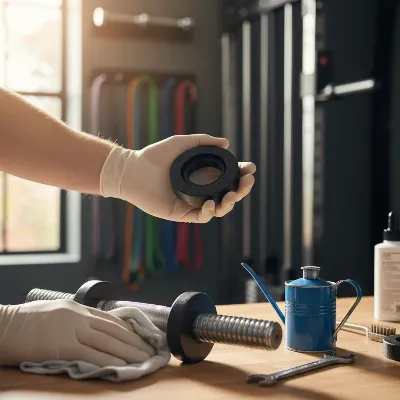 A person cleaning and oiling a spinlock dumbbell set, wiping the bar and inspecting the collars for wear as part of routine maintenance.
When to Consider Replacing Your Dumbbell Set
While many issues can be fixed, there are times when replacement is the safest option:
- Severely Stripped Threads: If the threads on the bar or multiple collars are extensively stripped, they will never hold weight securely.
- Bent or Cracked Bar: A bent dumbbell bar can lead to uneven weight distribution and structural failure. Cracks, no matter how small, are a major safety hazard.
- Irreparable Collar Damage: If collars are cracked, have broken locking mechanisms, or cannot be tightened even with the plate twist method, they must be replaced.
- Extensive Rust: While surface rust can often be removed, deep, pitting rust that compromises the structural integrity of the bar or plates is a concern.
Your dumbbells are an investment in your fitness journey. Knowing how to maintain and troubleshoot them ensures they remain safe and effective tools for your workouts.
Conclusion
A loose plate on a spinlock dumbbell set is a common but easily rectifiable problem. By understanding the causes, implementing the “plate twist” tightening method, and performing consistent preventative maintenance, you can ensure your equipment remains secure and reliable. Regular inspection for wear and tear, especially on threads and rubber inserts, is key to prolonging the life of your dumbbells and, more importantly, protecting yourself from potential injury. Don’t let a wobbly weight compromise your routine; take a few moments to secure your spinlock dumbbells and lift with confidence. How often do you inspect your dumbbells for signs of wear?
Equipment that holds up past 60 sessions
Practical specs, not advice. Unsubscribe anytime.
