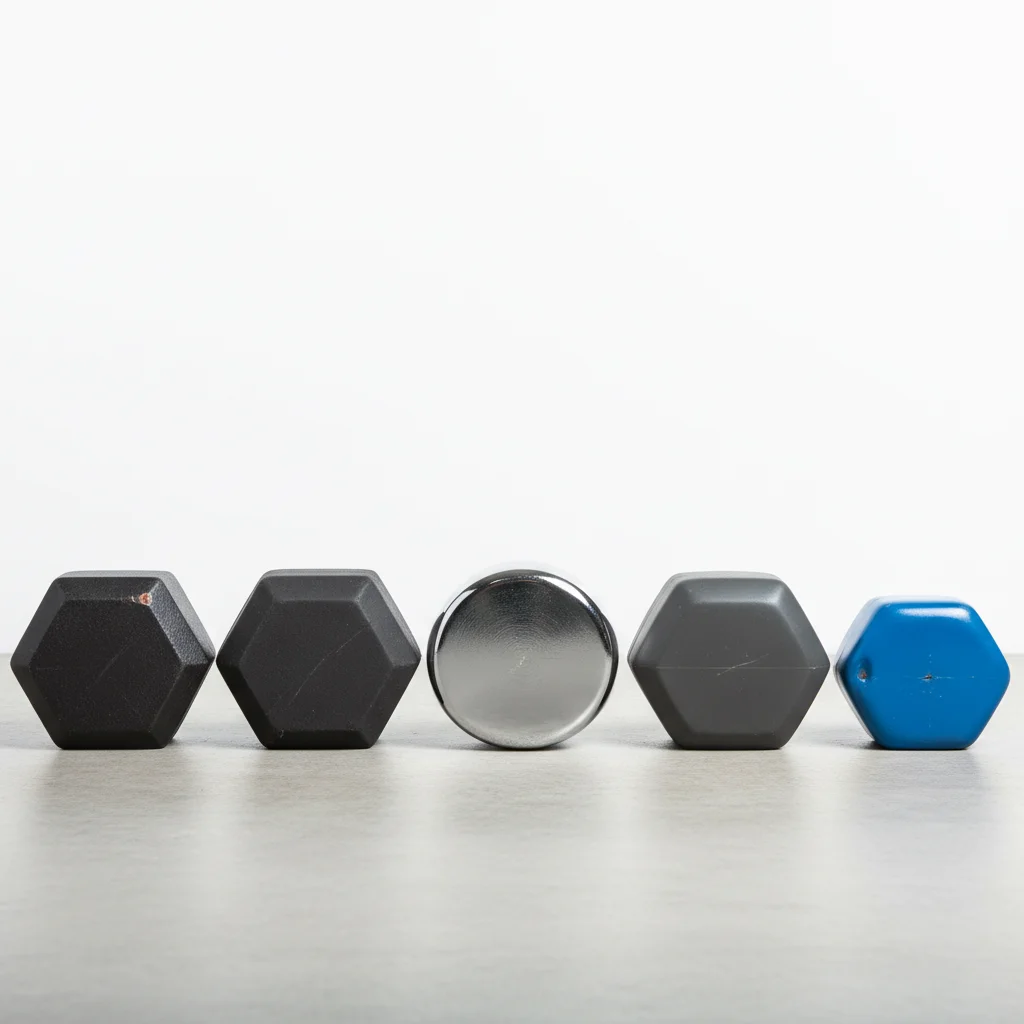
When considering dumbbell set material hardness, urethane dumbbells offer the best resistance to dents and abrasions due to their superior elasticity and impact absorption. While cast iron and rubber are common, urethane provides a more durable surface that withstands drops and heavy use without showing significant wear.
Understanding Material Hardness in Dumbbells
The hardness of a dumbbell’s material directly impacts its longevity and appearance, especially in a high-traffic home or commercial gym setting. Materials like cast iron are inherently rigid and can chip or dent other surfaces, or even themselves, upon impact. Rubber coatings offer a degree of protection, but their hardness varies significantly, with some softer rubbers still susceptible to gouges and tears over time. Urethane, a synthetic polymer, is engineered for high durability and resilience, making it a top choice for resisting physical damage. For compare top home on this site.
Urethane: The Champion of Dent Resistance
Urethane dumbbells are renowned for their exceptional resistance to dents, scratches, and general wear and tear. This is due to the material’s unique combination of elasticity and toughness. When a urethane dumbbell is dropped, the material absorbs and disperses the impact energy, preventing localized damage that would typically occur with harder, more brittle materials. This makes urethane an ideal choice for environments where dumbbells are frequently used and may experience accidental drops. Furthermore, urethane does not degrade or become brittle over time as some rubber compounds can, ensuring its dent-resistant properties remain consistent for years.
Comparing Urethane to Rubber and Cast Iron
|
Our Picks for the Best Dumbbell Set in 2026
As an Amazon Associate I earn from qualifying purchases.
|
||
| Num | Product | Action |
|---|---|---|
| 1 | Adjustable dumbbell set,20/35/45/55/70/90lbs Free Weights set with upgraded nut, 5 in 1 Weight Set Used as Kettlebells, Barbell, Push up Stand, Fitness Exercise for Home Gym Suitable Men/Women |

|
| 2 | Fitvids Set of 6 Neoprene Dumbbell Hand Weights, Set with Rack: 2/3/5 Pairs |
|
| 3 | Adjustable Dumbbells, 20/30/45/70/90lbs Free Weight Set with Connector,5 in1 Dumbbells Set Used as Barbell,Kettlebells,Push up Stand,Fitness Exercises for Home Gym Suitable Men/Women |
|
| 4 | CAP Barbell 150 LB Coated Hex Dumbbell Weight Set with Vertical Rack | Multiple Options |
|
| 5 | Adjustable Dumbbells Set of 2,Free Weights Dumbbells Set,Adjustable Dumbbell Set,52.5 lbs pair 105 lbs,15 in 1,for Men/Women Gym Equipment for Home Strength Training Equipment |
|
| 6 | Amazon Basics Neoprene Dumbbell Hand Weights for Exercise and Muscle Toning |
|
| 7 | Adjustable Dumbbell Set, 20/33/45/70/90lbs Free Weight Set with Connector, 4 in1 Dumbbells Set Used as Barbell, Kettlebells, Push up Stand, Weight Set for Home Gym Suitable Men/Women |
|
| 8 | Amazon Basics Neoprene Dumbbell Hand Weights for Exercise and Muscle Toning |
|
| 9 | Amazon Basics Neoprene Dumbbell Hand Weights for Exercise and Muscle Toning |
|
| 10 | PowerBlock Elite EXP Adjustable Dumbbells, Sold in Pairs, Stage 1, 5-50 lb. Dumbbells, Durable Steel Build, Innovative Workout Equipment, All-in-One Dumbbells, Expandable with Expansion Kits |
|
While rubber-coated dumbbells offer better protection than bare cast iron, their dent resistance is generally inferior to urethane. Rubber can be softer and more prone to cuts or tears from sharp edges or repeated friction. Over time, some rubber compounds can also dry out and crack, compromising their protective qualities. Cast iron, on the other hand, is the least dent-resistant in terms of its own surface, often showing chips and dings from impacts. Its primary advantage is its low cost, but this comes at the expense of durability and floor protection. For those prioritizing a pristine appearance and long-term resilience, urethane stands out.
Factors Influencing Dumbbell Material Choice
Choosing the right dumbbell material involves balancing several factors beyond just dent resistance. Cost is often a significant consideration, with cast iron being the most economical and urethane typically the most expensive. The intended use environment also plays a role; a commercial gym with heavy daily use might prioritize urethane’s durability, while a casual home gym user might find rubber or cast iron sufficient. Grip feel, odor (some rubber can have a strong smell), and aesthetic preferences also contribute to the decision-making process. However, for sheer resistance to physical damage, urethane consistently outperforms other common materials.
- Urethane offers superior dent and abrasion resistance.
- Rubber provides moderate protection but can tear or degrade.
- Cast iron is prone to chipping and denting.
- Consider budget and usage frequency when choosing materials.
- Urethane maintains its integrity and appearance over extended periods.
Maintaining Your Dent-Resistant Dumbbells
Even the most dent-resistant dumbbells benefit from proper care. Regularly cleaning your dumbbells with a mild soap and water solution can prevent the buildup of grime and sweat, which can degrade any material over time. Storing dumbbells on a proper rack, rather than leaving them scattered on the floor, minimizes the risk of accidental drops and impacts. While urethane is highly durable, avoiding extreme temperatures and harsh chemical cleaners will help preserve its finish and extend its lifespan. Consistent maintenance ensures your investment in quality, dent-resistant dumbbells pays off for many years of effective training.
Equipment that holds up past 60 sessions
Practical specs, not advice. Unsubscribe anytime.
