To clean and sanitize a rubber dumbbell set effectively, use a mild dish soap and warm water for daily cleaning, followed by a diluted white vinegar solution (1:1 ratio) or a gym-grade disinfectant for sanitization. This process helps maintain hygiene, extends equipment lifespan, and ensures a safe workout environment by preventing the buildup of sweat, grime, and bacteria.
Understanding Your Rubber Dumbbell Set
Rubber-coated dumbbells are a popular choice for home gyms and commercial facilities alike, offering a blend of durability and practicality. Understanding their unique properties is the first step toward effective maintenance.
Why Rubber? Benefits and Considerations.
Rubber coatings provide several advantages: they protect floors from impact, reduce noise during workouts, and offer a more comfortable grip. This protective layer also shields the underlying metal from rust and corrosion. However, the porous nature of rubber can make it susceptible to absorbing sweat, dirt, and oils, which can lead to unpleasant odors and gradual deterioration if not properly addressed. For shop curated home on this site.
Common Cleaning Challenges for Rubber.
The primary challenge with cleaning rubber is finding solutions potent enough to kill germs and remove grime without damaging the material itself. Harsh chemicals, often found in household cleaners, can degrade the rubber, causing it to crack, fade, or become sticky. Tackling odors, especially the persistent “gym smell” that can cling to rubber, also requires specific, gentle approaches that preserve the integrity of your weights.
Essential Cleaning Supplies
Gathering the right tools and solutions before you begin will make the cleaning process efficient and safe for your equipment.
Gentle Soaps and Detergents.
For everyday cleaning, a simple mixture of mild dish soap and warm water is highly effective. Look for pH-neutral cleaners, as these are designed to clean thoroughly without being overly acidic or alkaline, which can harm rubber surfaces. Avoid soaps with added moisturizers or oils, as these can leave a slippery residue.
Disinfectants and Sanitizers (Safe for Rubber).
Beyond cleaning, sanitization is key for killing bacteria and viruses. A diluted white vinegar solution (one part vinegar to one part water) works as a natural disinfectant and deodorizer. Alternatively, specialized gym-grade disinfectant sprays are formulated to be effective on fitness equipment surfaces, including rubber, without causing damage. Always check the product label to ensure it’s safe for rubber.
Brushes, Cloths, and Other Tools.
You’ll need several items for optimal cleaning:
- Microfiber cloths or soft towels: Excellent for wiping down surfaces and drying.
- Soft-bristled brush: An old toothbrush or a small utility brush is perfect for scrubbing textured areas and hard-to-reach crevices without scratching the rubber.
- Spray bottle: Useful for applying cleaning and sanitizing solutions evenly.
- Gloves: Protect your hands from grime and cleaning solutions.
Step-by-Step Cleaning Process
Consistent cleaning, both daily and deeply, will ensure your rubber dumbbells remain hygienic and durable.
Daily Wipe-Downs.
|
Our Picks for the Best Dumbbell Set in 2026
As an Amazon Associate I earn from qualifying purchases.
|
||
| Num | Product | Action |
|---|---|---|
| 1 | PowerBlock Elite EXP Adjustable Dumbbells, Sold in Pairs, Stage 1, 5-50 lb. Dumbbells, Durable Steel Build, Innovative Workout Equipment, All-in-One Dumbbells, Expandable with Expansion Kits |

|
| 2 | Fitvids Set of 6 Neoprene Dumbbell Hand Weights, Set with Rack: 2/3/5 Pairs |
|
| 3 | Amazon Basics Neoprene Dumbbell Hand Weights for Exercise and Muscle Toning |
|
| 4 | Adjustable Dumbbell Set, 20/33/45/70/90lbs Free Weight Set with Connector, 4 in1 Dumbbells Set Used as Barbell, Kettlebells, Push up Stand, Weight Set for Home Gym Suitable Men/Women |
|
| 5 | Adjustable dumbbell set,20/35/45/55/70/90lbs Free Weights set with upgraded nut, 5 in 1 Weight Set Used as Kettlebells, Barbell, Push up Stand, Fitness Exercise for Home Gym Suitable Men/Women |
|
| 6 | Amazon Basics Neoprene Dumbbell Hand Weights for Exercise and Muscle Toning |
|
| 7 | Adjustable Dumbbells Set of 2,Free Weights Dumbbells Set,Adjustable Dumbbell Set,52.5 lbs pair 105 lbs,15 in 1,for Men/Women Gym Equipment for Home Strength Training Equipment |
|
| 8 | CAP Barbell 150 LB Coated Hex Dumbbell Weight Set with Vertical Rack | Multiple Options |
|
| 9 | Amazon Basics Neoprene Dumbbell Hand Weights for Exercise and Muscle Toning |
|
| 10 | Adjustable Dumbbells, 20/30/45/70/90lbs Free Weight Set with Connector,5 in1 Dumbbells Set Used as Barbell,Kettlebells,Push up Stand,Fitness Exercises for Home Gym Suitable Men/Women |
|
After every workout, a quick wipe-down can prevent the buildup of sweat and dirt. This simple habit is the first line of defense against odors and deterioration.
To perform a daily wipe-down:
- Lightly dampen a clean microfiber cloth with water.
- Wipe down the entire surface of each dumbbell, focusing on handles and areas where sweat accumulates.
- Immediately follow with a dry cloth to remove any moisture, preventing potential rust on the handles and moisture-related rubber degradation.
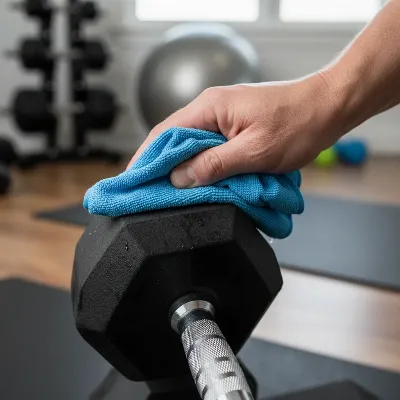 A person wiping down a rubber dumbbell set after a workout, ensuring cleanliness and hygiene.
Deep Cleaning Routine.
Every few months, or more frequently if your dumbbells see heavy use, a deep clean is necessary to tackle embedded grime and thoroughly sanitize.
- Remove Surface Debris: Start by wiping the dumbbells with a dry cloth to remove loose dust or chalk.
- Prepare Cleaning Solution: Mix a few drops of mild dish soap with warm water in a bowl or spray bottle.
- Clean Thoroughly: Dip a soft cloth or sponge into the soapy water, wring out any excess, and wipe down all surfaces of the dumbbells. For stubborn grime, you can let the dumbbells soak in the mild soapy water for 10-15 minutes, if safe for your specific weights.
- Scrub Tough Spots: Use a soft-bristled brush or an old toothbrush to gently scrub any textured areas, crevices, or stubborn stains.
- Rinse: Wipe down each dumbbell again with a clean cloth dampened with plain water to remove all soap residue. It’s crucial to rinse thoroughly, as leftover soap can attract more dirt or make the rubber feel sticky.
- Dry Completely: Use a dry towel to thoroughly dry each dumbbell. Allowing them to air dry completely in a well-ventilated area is also recommended to prevent moisture buildup.
Tackling Stubborn Grime and Odors.
For persistent stains or odors, you may need a slightly more intensive approach that remains gentle on the rubber.
- Baking Soda Paste for Stains: For tough spots, create a paste using a small amount of baking soda and a few drops of water or mild soap. Apply the paste to the stained area and gently scrub with a damp cloth or soft brush. Baking soda acts as a mild abrasive that can lift stains without damaging the rubber. Rinse thoroughly afterward.
- Vinegar Solution for Odors: If your dumbbells have a strong rubber smell, or if you want to eliminate lingering odors from sweat, a diluted white vinegar solution is excellent. After cleaning, spray the dumbbells lightly with a 1:1 water and white vinegar solution. Let it sit for a few minutes (avoid soaking), then wipe it off and dry thoroughly. Ensure proper ventilation during this process.
Sanitizing Your Dumbbell Set Effectively
Sanitization goes beyond simple cleaning, targeting the microorganisms that can thrive on gym equipment.
Choosing the Right Sanitizer.
The most critical factor is selecting a sanitizer that is effective against germs but won’t degrade rubber. As mentioned, a diluted white vinegar solution is a natural, rubber-safe option. You can also use gym-grade disinfectant sprays explicitly designed for fitness equipment. Always avoid harsh chemicals like bleach, ammonia, or petroleum-based solvents, which can cause irreparable damage to rubber by dissolving its binders and leading to cracking or swelling.
Application Techniques for Maximum Efficacy.
For any sanitizer to work, it needs adequate contact time.
- Clean First: Always clean your dumbbells with soap and water and dry them before sanitizing. Sanitizers work best on clean surfaces.
- Spray Evenly: Lightly mist the diluted vinegar solution or gym-grade disinfectant over the entire rubber surface of the dumbbell using a spray bottle.
- Allow Dwell Time: Check the product instructions for the recommended “dwell time” (how long the surface needs to remain wet for the sanitizer to be effective). If using diluted vinegar, a few minutes is usually sufficient.
- Wipe and Dry: After the dwell time, wipe off any excess solution with a clean, dry cloth and allow the dumbbells to air dry completely. Proper ventilation is important during this step.
> “Using pH-neutral cleaners is the only way to ensure the long-term structural integrity and safety of your gym mats, and this principle extends to rubber dumbbells. Harsh chemicals can dissolve the polyurethane binders, leading to irreversible damage.” – MF FLOOR, Rubber Flooring Expert
Important Safety Precautions.
When handling cleaning and sanitizing agents, even mild ones, prioritize safety. Work in a well-ventilated area to avoid inhaling fumes. Always wear gloves to protect your skin, especially if you have sensitivities. Keep cleaning solutions out of reach of children and pets.
Maintaining Your Rubber Dumbbells
Beyond active cleaning, consistent maintenance habits will significantly extend the life and appearance of your rubber dumbbell set.
Proper Storage.
Where you store your dumbbells plays a vital role in their longevity.
- Indoors and Dry: Always store your rubber dumbbells indoors in a cool, dry place.
- Avoid Extremes: Protect them from direct sunlight, extreme temperatures, and excessive moisture, all of which can cause the rubber to deteriorate, fade, or become brittle over time.
- Use Racks: If you have multiple dumbbells, a dedicated dumbbell rack helps organize them, prevents accidental damage from dropping, and promotes airflow around each weight.
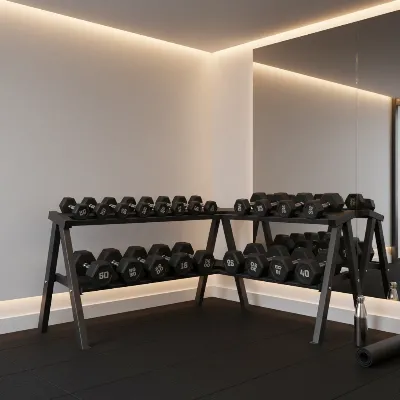 A well-organized rubber dumbbell set stored on a rack in a clean home gym.
Avoiding Harmful Chemicals.
Reiterating the importance of chemical avoidance: never use cleaners containing bleach, ammonia, acetone, or any petroleum-based solvents. Products like Lysol, Pine-Sol, Murphy’s Oil Soap, WD40, or paint thinner are also off-limits. These substances will attack the rubber’s composition, leading to irreversible damage such as cracking, stickiness, discoloration, or a breakdown of the material itself. Stick to mild soaps, diluted vinegar, or specialized rubber-safe cleaners.
Regular Inspection and Care.
Periodically inspect your dumbbells for any signs of wear and tear. Look for cracks, tears, or areas where the rubber coating might be separating from the underlying metal. Check the steel handles for any signs of rust or corrosion. Addressing minor issues promptly can prevent them from becoming major problems that compromise the safety or functionality of your equipment. A silicone-based lubricant can be applied to parts prone to friction if applicable, but generally, rubber dumbbells do not require this.
Conclusion
Maintaining a clean and sanitized rubber dumbbell set is a simple yet essential practice for any fitness enthusiast. By consistently wiping them down after each use, performing regular deep cleans with gentle, rubber-safe solutions, and storing them properly, you can significantly extend the life of your equipment. This not only protects your investment but also ensures a hygienic and safer environment for your workouts. Embrace these habits, and your rubber dumbbells will remain a reliable, pristine tool in your fitness journey for years to come.
What steps will you take this week to ensure your rubber dumbbells are clean and ready for your next session?
Frequently Asked Questions
Frequently Asked Questions
Can I use bleach to clean my rubber dumbbells?
No, you should absolutely avoid using bleach on rubber dumbbells. Bleach is a harsh chemical that can dry out, discolor, and degrade the rubber material, leading to cracks, brittleness, and a shortened lifespan for your equipment. Instead, use mild, pH-neutral soaps or diluted vinegar for cleaning and sanitizing.
How often should I deep clean my rubber dumbbell set?
While daily wipe-downs are recommended after each workout, a deep cleaning routine should be performed every few months. This allows you to thoroughly remove built-up grime, tackle stubborn stains, and sanitize the dumbbells more effectively, ensuring long-term hygiene and durability.
What is the best way to remove the strong smell from new rubber dumbbells?
The strong smell from new rubber dumbbells is typically due to volatile organic compounds (VOCs) off-gassing. To reduce this, place your dumbbells in a well-ventilated area for several days or weeks. Wiping them down with a mixture of water and vinegar can also help dissipate the odor over time.
Is it safe to soak rubber dumbbells in water for cleaning?
You can safely soak rubber dumbbells in a solution of warm water and mild soap for about 10-15 minutes to loosen stubborn dirt during a deep clean. However, ensure thorough rinsing and immediate drying afterward to prevent moisture from causing rust on the metal handles or degrading the rubber over time.
Why is it important to thoroughly dry dumbbells after cleaning?
Drying your dumbbells thoroughly after cleaning is crucial to prevent several issues. Residual moisture can lead to rust on the metal handles, and it can also contribute to the degradation of the rubber material over time. Complete drying ensures a hygienic surface and helps maintain the integrity of your equipment.
Are there specific gym equipment cleaners recommended for rubber materials?
Yes, look for pH-neutral, all-purpose cleaners or specialized fitness equipment cleaners explicitly labeled as safe for rubber and vinyl. Brands like Simple Green All-Purpose Cleaner are often cited as safe options. Always check product labels to confirm compatibility with rubber materials.
How to Deep Clean Rubber Dumbbells
Perform a thorough deep cleaning routine for your rubber dumbbells every few months to remove embedded grime and sanitize them effectively.
Begin by wiping the dumbbells with a dry cloth to remove any loose dust or chalk. This initial step prepares the surface for more intensive cleaning.
Mix a few drops of mild dish soap with warm water in a bowl or spray bottle. Ensure the soap is pH-neutral to protect the rubber material.
Dip a soft cloth or sponge into the soapy water, wring out excess, and wipe down all dumbbell surfaces. For stubborn grime, you can let the dumbbells soak in the mild soapy water for 10-15 minutes if safe for your specific weights.
Wipe down each dumbbell again with a clean cloth dampened with plain water to remove all soap residue. It's crucial to rinse thoroughly, as leftover soap can attract more dirt or make the rubber feel sticky. Use a dry towel to thoroughly dry each dumbbell, then allow them to air dry completely in a well-ventilated area to prevent moisture buildup.
Equipment that holds up past 60 sessions
Practical specs, not advice. Unsubscribe anytime.

I tried the diluted white vinegar solution for sanitization, and while it worked okay, I wasn’t a huge fan of the lingering smell, even after it dried. It definitely got them clean, but I think I’ll stick to a gym-grade disinfectant next time. My dumbbells are pretty old, so maybe that’s why the smell stuck around a bit more.
I’ve had my rubber dumbbells for years and always just wiped them down, but they started looking a bit dull. The tip about using a mild dish soap and warm water really made a difference. They look almost new again, and I feel much better knowing they’re properly sanitized. It’s a simple step that I should have been doing all along.
My biggest concern with my home gym setup was protecting my floors, which is why I went with rubber-coated dumbbells in the first place. This guide on cleaning them is super helpful for maintaining that protective layer. I appreciate knowing how to keep them in good shape so they continue to reduce noise and prevent damage.
I’ve been looking for a good way to clean my rubber dumbbells without damaging them. The advice on preventing the buildup of sweat, grime, and bacteria is exactly what I needed. My grip feels much better now that they’re properly cleaned, and I’m confident they’ll last a lot longer.